

BUILD AND MARKET YOUR SHOPIFY STORE
We help e-commerce brands maximise growth opportunities


Blog
Welcome to our blog — your go-to hub for expert insights, practical tips, and the latest trends in eCommerce, design, and digital strategy. Whether you're scaling your Shopify store or exploring fresh ideas, you'll find inspiration and guidance right here.
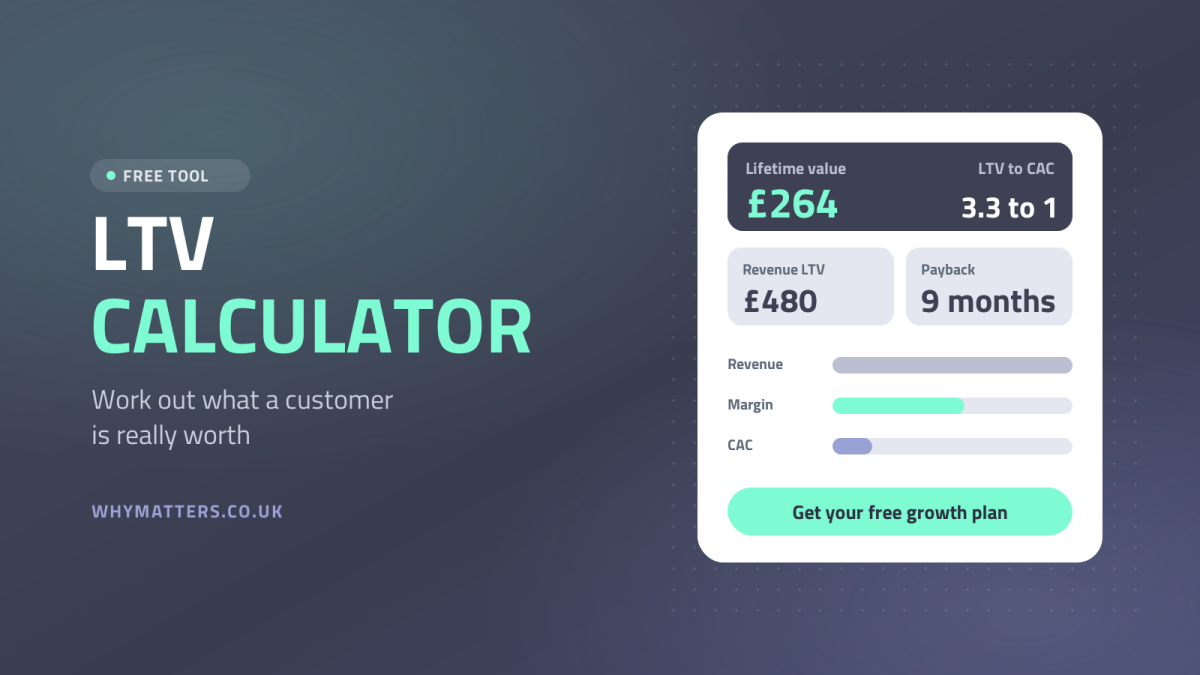
Enter what a typical customer spends per order, how often they buy, how long they stay and what it costs to win them. The calculator returns lifetime value on revenue and on margin, the LTV to CAC ratio, how many months the acquisition cost takes to pay back and the most you can afford to pay for a...
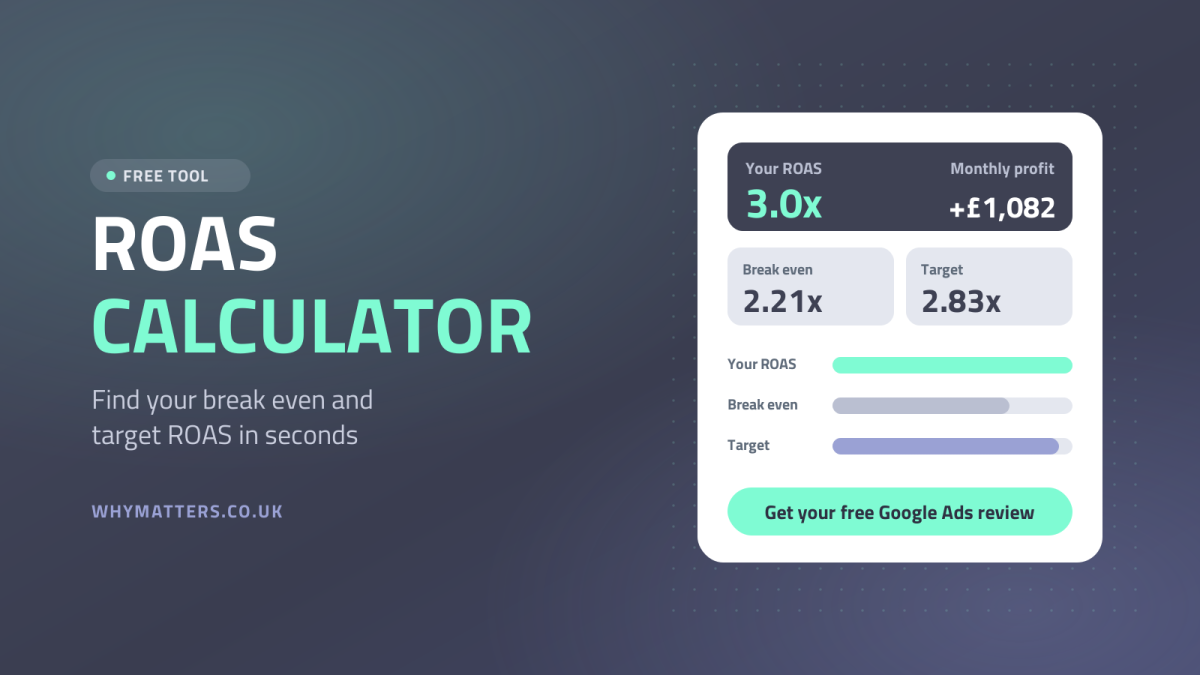
Enter your ad spend, the revenue it produced and what a typical order costs you to fulfil. The calculator shows your ROAS, the break even ROAS your store needs just to cover its costs, and the target ROAS that keeps the margin you want after advertising. Everything is worked out in your browser and...

Choosing a web development agency is not just a matter of finding the portfolio you like most. For an ecommerce business, the agency affects which platform you use, how well the site connects to your other systems, what it costs to run, how fast your team can make changes and who is responsible when...

When something stops working on your Shopify store, finding the right person to ask matters more than finding someone to ask. Shopify offers 24/7 chat on every plan, with phone and email on some, but Shopify Support is not responsible for everything that can go wrong: a billing error, broken custom...

Product photography has a hard job in ecommerce. A customer cannot pick the product up, turn it over, feel the material, judge its size or compare the finish, so your photos have to do that work instead. That is why a good Shopify product page needs more than one polished packshot: a clear main imag...

Key Takeaways
Google Merchant Centre, officially Google Merchant Center, is free, and Shopify connects to it through the Google & YouTube sales channel, which Google manages; the first product sync can take up to 24 hours.
Of the disapprovals Why Matters fixed across client stores this year, 4...

Shopify is software for building and running a shop. You use it to create an ecommerce website, add products, take payments, manage orders, track stock, sell in person and connect your products to other sales channels, and you do not install it on your own server, because Shopify hosts the platform...

Shopify POS lets a retailer sell online and face to face from the same Shopify system. A product sold in your shop reduces the same stock record your website uses, a customer who buys online is the same customer at the till, and orders, payments, returns and inventory all land in one Shopify admin i...

Key Takeaways
Shopify Basic costs £25 a month in the UK, or £19 a month billed yearly; Grow costs £65 or £49, Advanced £344 or £259, and Shopify Plus starts at £1,950 a month on a one year term or £1,800 on a three year term.
Shopify Payments charges 2% + 25p per standard online card payment o...

Choosing a product review app for Shopify is no longer just about putting stars under a product title. The stronger platforms collect verified reviews automatically, ask for photos and videos, feed ratings to Google, sync with Klaviyo and let shoppers filter reviews by size, fit or use. The most exp...