

BUILD AND MARKET YOUR SHOPIFY STORE
We help e-commerce brands maximise growth opportunities


Blog
Welcome to our blog — your go-to hub for expert insights, practical tips, and the latest trends in eCommerce, design, and digital strategy. Whether you're scaling your Shopify store or exploring fresh ideas, you'll find inspiration and guidance right here.

Key Takeaways
Shopify Markets lets you sell to multiple countries from one store, with localised currency, pricing, language, domains and duties managed from a single admin. Up to 50 markets per store.
Two UK thresholds catch merchants out: VAT registration at £90,000 of taxable turnover acros...
Key Takeaways
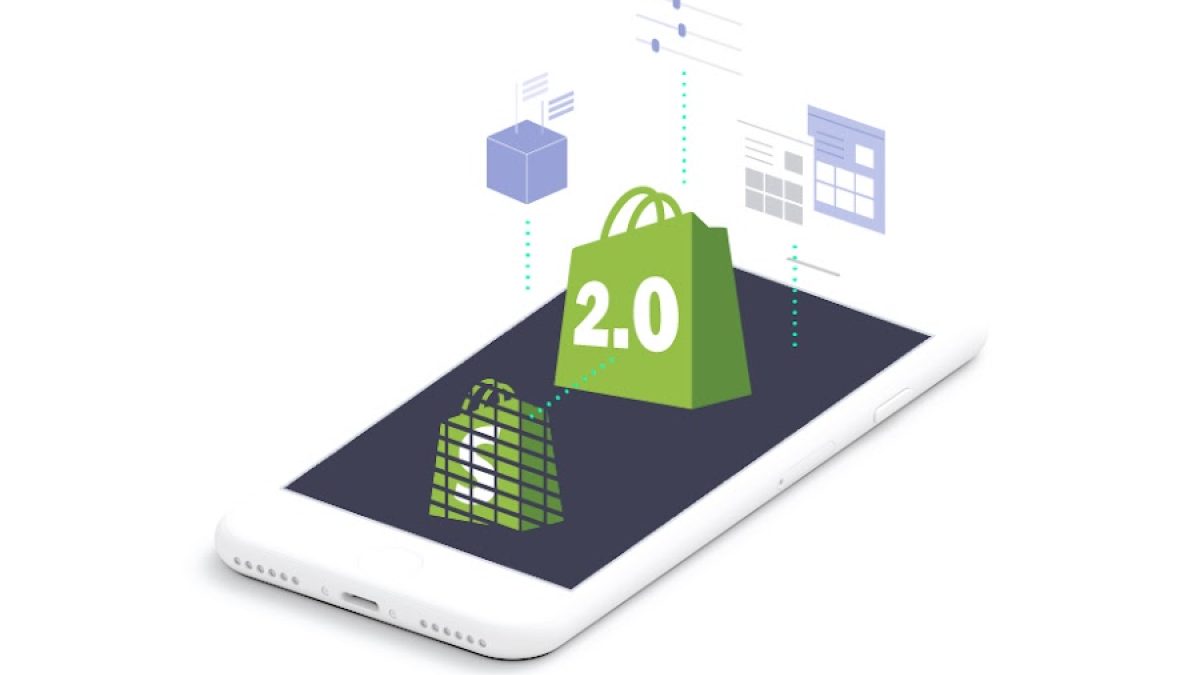
Most stores have not made the move. Of the 265 Shopify stores we audited, 196 were still running legacy themes that predate Online Store 2.0.
Online Store 2.0 is the current standard Shopify theme architecture, not a separate product, a paid upgrade or something you switch on.
T...

Key Takeaways
The most common reason a startup stalls is not product quality. It is unclear positioning in a crowded market.
Fulfilment costs are routinely underestimated. Return rates alone range from about 3% in supplements to 23% in fashion across our client stores.
Most startups buy traf...

BigCommerce and Shopify are both fully hosted ecommerce platforms, so neither asks you to run servers, patch software or manage security certificates. That makes this a closer contest than Shopify against a website builder. It also changed on 1 June 2026, when BigCommerce renamed its plans, lowered...

Wix and Shopify both let you build an online shop without code, but they start from different places. Wix is a website builder that adds selling from its Core plan upwards, alongside tools for portfolios, bookings, blogs and service businesses. Shopify is built for selling first, with everything fro...

Magento, now sold by Adobe as Adobe Commerce, and Shopify can both run large, successful stores. The difference is who does the work. On Magento you, or your developers, run the platform: hosting, security patches, upgrades and every dependency underneath. On Shopify, Shopify runs the platform and y...

Squarespace and Shopify both let you build a good looking site and sell online, but they start from different places. Shopify is a commerce platform first. Squarespace is a website builder that now includes a capable store on every plan. The right choice depends on how central selling is to your bus...

WooCommerce and Shopify are built on opposite models. WooCommerce is a free, open source plugin that turns a WordPress website into a store, which you host and maintain yourself. Shopify is a hosted platform you pay for monthly, which handles the hosting, security and software for you. Published mar...

Key Takeaways
Across 265 Shopify stores we audited in the 12 months to September 2026, the median conversion rate was 1.7%, so roughly 98 in every 100 visitors leave without buying.
Product pages and checkout are where sales are won or lost. Fix those before anything else on this list.
Ext...

Key Takeaways
Practical sustainability starts with packaging, shipping and returns. It does not require rebuilding your supply chain before you begin.
Shopify's built-in tools, Shopify Planet and Shop Pay's delivery offsetting, make carbon-neutral shipping accessible to a store of any size at...